Latest Blog posts
Fire Risk Assessments: The Importance of Fire Prevention and Building Safety
Protecting people and property from fire hazards is a major responsibility within residential, commercial and public buildings. Effective fire prevention requires more than emergency equipment alone; it also depends on identifying risks, maintaining safety systems and planning for potential emergencies. Fire risk assessments are a structured method used to review fire safety arrangements and reduce the likelihood of fire-related incidents.
A fire risk assessment examines how a fire could start, how it might spread and what impact it could have on occupants within a building. The process also evaluates whether current fire safety measures are appropriate for the type, size and use of the property.
Many common building features can create fire hazards if not managed correctly. Electrical installations, heating systems, cooking equipment and combustible materials may all increase fire risk under certain conditions. Fire risk assessments help identify these hazards so preventative measures can be introduced where necessary.
One of the key parts of an assessment is identifying who may be at risk during a fire emergency. This includes employees, residents, visitors and individuals who may require additional support to evacuate safely. Occupancy levels and building usage patterns are important factors in determining suitable fire safety arrangements.
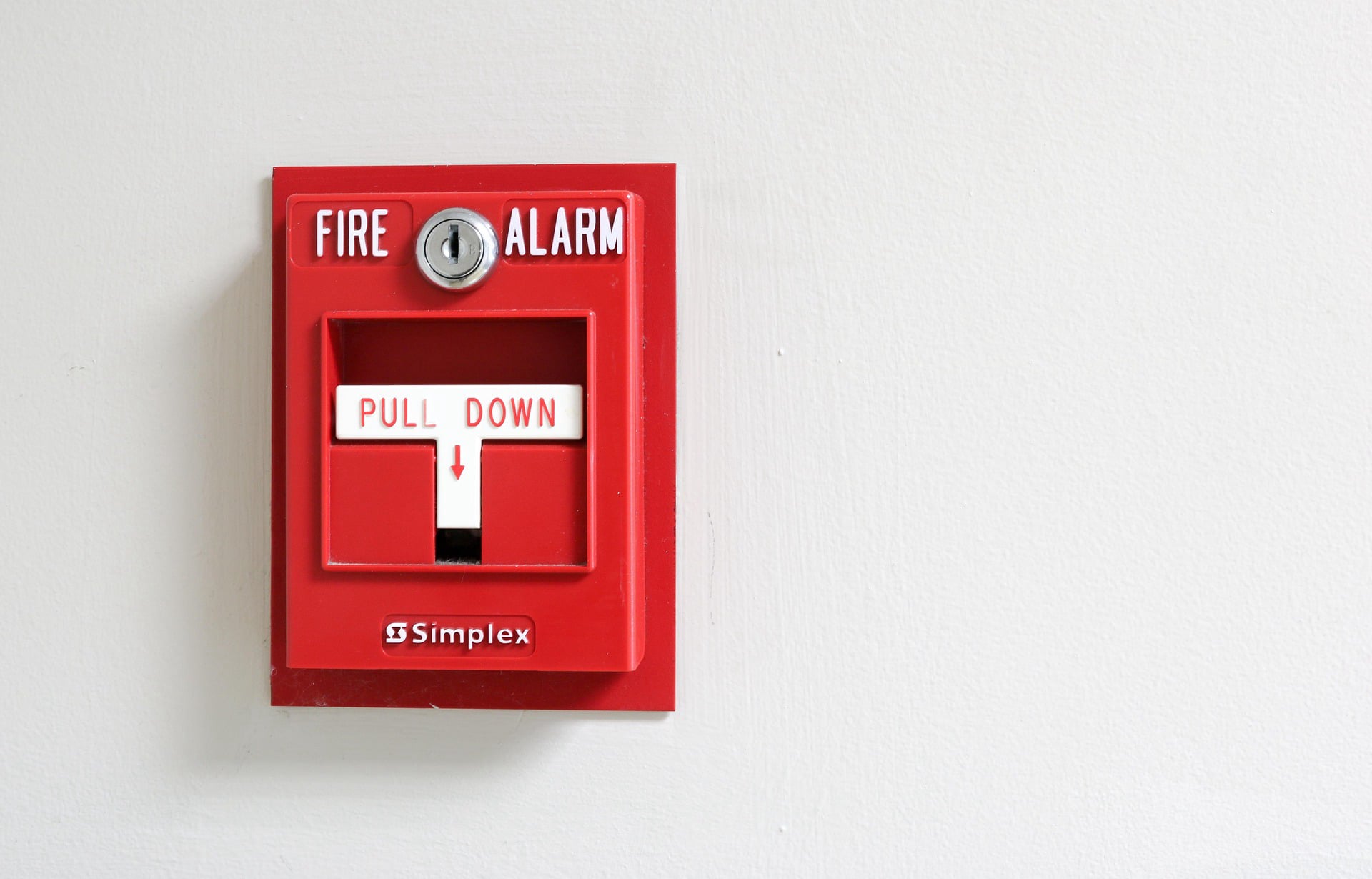
Fire detection systems are central to modern fire safety management. Smoke alarms, heat detectors and fire alarm systems provide early warning so occupants can leave the building quickly and safely. Fire risk assessments review whether these systems are correctly installed, maintained and suitable for the property.
Escape routes are another major focus of the assessment process. Corridors, staircases, emergency exits and lighting systems all contribute to safe evacuation during an emergency. Fire risk assessments help identify issues such as blocked exits, poor signage or inadequate lighting that could affect evacuation procedures.
Fire doors and compartmentation systems also play an important role in reducing the spread of fire and smoke throughout a building. Properly maintained fire-resistant barriers can protect escape routes and provide additional time for occupants to evacuate safely.
Portable firefighting equipment may also be considered during the assessment. Fire extinguishers, hose reels and sprinkler systems help support early fire suppression and may reduce damage before emergency services arrive. Assessments help determine whether equipment is appropriate for the building and correctly maintained.
Different types of properties require different fire safety approaches. Offices, apartment buildings, warehouses, schools and healthcare facilities each present unique fire risks depending on occupancy, layout and operational activities. Fire risk assessments take these differences into account when evaluating safety measures.
Documentation is an important aspect of fire safety management. Assessment reports often include identified hazards, recommendations and action plans to improve safety standards. Maintaining records also supports ongoing monitoring and demonstrates that fire safety responsibilities are being actively managed.
Regular reviews of fire risk assessments are important because buildings and their use can change over time. Renovations, layout changes or increased occupancy may introduce additional risks that require updated safety measures.
Training and awareness are also essential parts of fire prevention. Occupants and staff should understand evacuation procedures, alarm systems and emergency responsibilities. Fire drills and training exercises help improve preparedness and reduce confusion during real emergencies.
Health and safety regulations often place legal responsibilities on employers, landlords and property managers to ensure appropriate fire safety measures are in place. Fire risk assessments help support compliance by identifying areas where improvements may be required.
Technology is increasingly influencing fire safety systems. Advanced detection systems, remote monitoring and integrated building controls can improve response times and support more effective safety management within modern buildings.
Preventative fire safety measures are generally more cost-effective than responding to fire-related damage or business disruption after an incident occurs. Identifying hazards early helps reduce risks to occupants, protect property and minimise operational interruption.
Ultimately, fire risk assessments are designed to support safer buildings by identifying hazards, reviewing existing precautions and improving emergency preparedness. They form an important part of maintaining safe and compliant residential and commercial environments.
By combining hazard identification, ongoing review and effective safety planning, fire risk assessments continue to play a vital role in reducing fire-related risks and protecting both people and property.