Latest Blog posts
Fluval Aquariums: Planning a Modern Freshwater Aquarium from the Ground Up
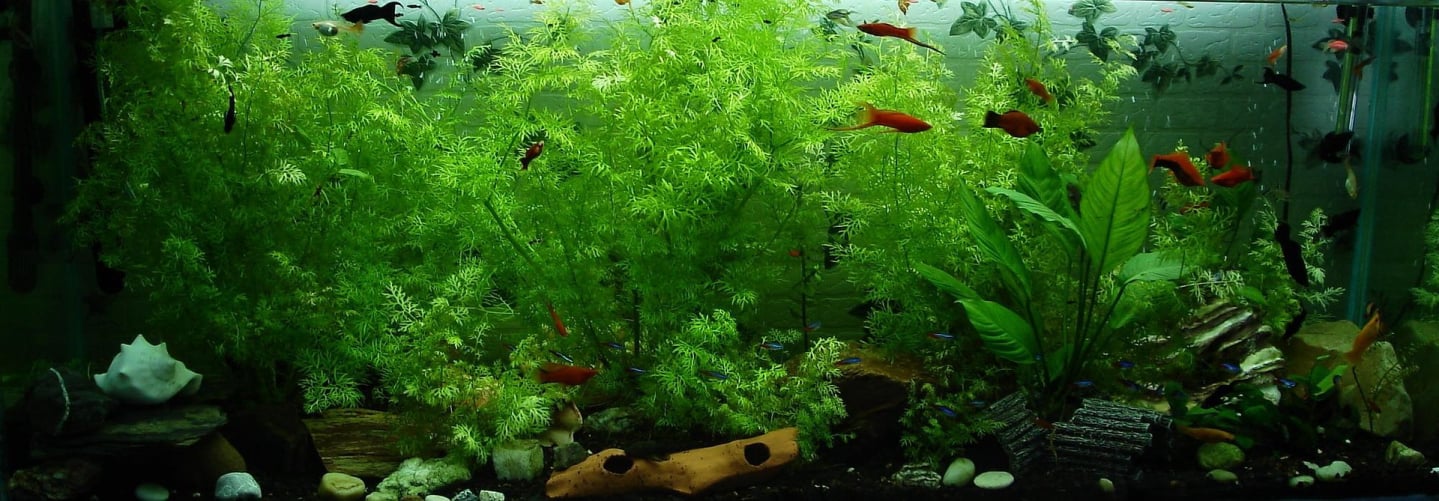
A home aquarium can provide an impressive focal point while creating an opportunity to observe fish, plants and aquatic behaviour at close range. The best results usually come from planning the aquarium as a complete environment rather than choosing a tank first and deciding what to put inside afterwards. Fish species, filtration, lighting, water chemistry and available space all need to work together if the aquarium is to remain healthy over the long term.
Fluval aquariums are available in different sizes and configurations, making them suitable for a variety of freshwater setups, including tropical community tanks and planted displays. When comparing aquarium options, capacity is only one consideration. Tank dimensions, filtration arrangements, lighting, maintenance access and the requirements of the intended livestock should all influence the decision.
The first question should be what type of aquarium you want to create. A colourful community aquarium containing small schooling fish has different requirements from a heavily planted aquascape or a tank designed around one particular species. Deciding on the intended inhabitants early makes it easier to determine how much swimming space, filtration capacity and environmental structure will be required.
Aquarium size is particularly important. Smaller tanks may appear convenient, but reduced water volume means environmental conditions can change comparatively quickly. A larger aquarium generally provides greater stability because waste products are diluted through a larger volume of water and temperature changes tend to occur more gradually.
Dimensions can be just as significant as total capacity. Active fish may benefit from a longer aquarium that provides greater horizontal swimming distance. Bottom-dwelling species need suitable floor space, while planted displays may require dimensions that provide sufficient room for both plant growth and hardscape.
The aquarium also needs an appropriate position within the home. A filled tank is extremely heavy, so it should stand on furniture or a cabinet designed to support the combined weight of the aquarium, water, substrate, rocks and equipment. Direct sunlight is usually best avoided because it can contribute to algae growth and unwanted temperature changes.
Building a Stable Freshwater Environment
Filtration is central to aquarium health. Fish continuously release waste into the water, while uneaten food, plant matter and other organic material gradually decompose. An effective filtration system helps manage these substances while supporting the biological processes necessary for a stable aquarium.
Mechanical filtration captures suspended debris and particles, helping maintain clear water. Biological filtration performs a different and arguably more important function by providing surfaces where beneficial bacteria can establish themselves.
These bacteria process nitrogenous waste through what is commonly known as the nitrogen cycle. Ammonia produced from fish waste and decomposition is highly toxic. Bacterial activity converts it first into nitrite, which is also harmful, and subsequently into nitrate.
A newly established aquarium does not immediately contain a mature population of these microorganisms. Allowing the biological filtration system to develop before fully stocking the tank is therefore fundamental to responsible fishkeeping.
Water testing allows fishkeepers to monitor this process. Ammonia and nitrite are particularly important during the establishment of a new aquarium, while nitrate provides useful information about longer-term waste accumulation.
Water appearance alone provides very little information about its chemical condition. An aquarium can look perfectly clear while containing harmful concentrations of invisible dissolved compounds.
For tropical fish, temperature needs to be controlled appropriately. A thermostatically controlled heater can maintain suitable conditions, while a separate thermometer provides a simple way of confirming the actual water temperature.
The appropriate temperature depends on the fish rather than the aquarium itself. Different species have evolved in different environments, so livestock should be selected according to compatible temperature and water requirements.
Lighting becomes especially important when live plants are included. Plants require sufficient light for photosynthesis, but excessive intensity or excessively long lighting periods can encourage algae.
Using a timer provides consistency and establishes a regular day-and-night cycle. The lighting schedule can then be adjusted according to plant growth and the behaviour of the aquarium.
Live plants can transform the appearance of Fluval aquariums, but their value extends beyond decoration. Plants create shelter, divide territories and provide fish with a more structured environment. Growing plants also consume nutrients from the water.
Beginners do not necessarily need a complicated planted setup. Many aquatic plant species can grow successfully under relatively straightforward conditions without specialist carbon dioxide systems. Choosing plants according to the available lighting and substrate is usually more successful than selecting them purely for appearance.
Hardscape materials such as aquarium-safe rocks and wood can provide additional structure. These can be arranged to create caves, shaded areas and visual boundaries, which may help fish establish territories and feel more secure.
The substrate should be chosen with both fish and plants in mind. Gravel works well for many general community aquariums, while sand can be particularly suitable for species that forage along the bottom. Specialist planted substrates are another option where plant growth is a major part of the design.
Stocking and Maintaining the Aquarium
Fish selection is one of the most enjoyable stages of creating an aquarium, but it is also where careful research matters most. Fish should never be chosen simply because several species look attractive together in an aquatic shop.
Adult size is particularly important. Juvenile fish can be surprisingly small compared with their eventual dimensions, and purchasing according to their current size can result in an overcrowded aquarium as they mature.
Temperament should also be researched. Some fish are naturally peaceful and social, while others become territorial or predatory. Species that occupy similar areas of the aquarium may also compete for space.
Schooling fish generally benefit from being kept in appropriate groups. Rather than purchasing one or two individuals from many different schooling species, creating larger groups of fewer compatible species can produce more natural behaviour and a visually stronger aquarium.
Stocking should happen gradually. Introducing a large population simultaneously creates an immediate increase in waste production that the biological filtration may not yet be capable of processing.
Feeding should follow the same principle of moderation. Overfeeding is a common source of aquarium problems because uneaten food becomes additional organic waste.
Different species may also feed in different parts of the aquarium. Floating or slowly sinking foods may be readily consumed by fish in the upper levels, while bottom-dwelling species can require suitable sinking foods.
Regular partial water changes help prevent dissolved waste products from continually accumulating. The appropriate frequency and quantity depend on factors including aquarium size, stocking levels, feeding and nitrate production.
Replacement tap water may require treatment to neutralise chlorine or chloramine where these are present. Large temperature differences between replacement water and the aquarium should also be avoided.
Filter maintenance needs to preserve biological stability. Biological media contains beneficial microorganisms and should not be unnecessarily sterilised during routine cleaning. The objective is to remove excessive debris while maintaining the established bacterial population.
Aquarium cleaning should follow the same measured approach. Completely dismantling and scrubbing an established aquarium is generally unnecessary and can disrupt the biological environment. Routine maintenance normally involves partial water changes, appropriate substrate cleaning, algae removal and equipment checks.
Observing the fish every day is also valuable. Changes in feeding behaviour, swimming patterns, breathing or appearance can provide an early indication of a developing problem.
When unusual behaviour occurs, checking water quality and temperature is a sensible first step. Environmental problems can affect multiple fish simultaneously and may sometimes be mistaken for disease.
New fish also represent a potential route for parasites or infections to enter an established aquarium. Where practical, quarantine provides an opportunity to observe new livestock separately before introducing it into the main display.
As the aquarium matures, maintenance often becomes more predictable. Plants establish themselves, biological filtration develops and the fish settle into consistent patterns of behaviour. At this stage, the objective is usually to maintain stability rather than continually alter the environment.
Equipment should still be inspected periodically. Filters can become restricted, impellers can accumulate debris, heaters can eventually fail and lighting performance can change over time. Identifying these issues early helps avoid sudden disruption.
A successful aquarium therefore develops through patience rather than constant intervention. Researching livestock, establishing filtration properly and creating a consistent maintenance routine are generally more important than adding increasingly complicated equipment.
Ultimately, Fluval aquariums can provide the basis for attractive community tanks, planted displays and many other freshwater aquarium styles. Choosing an appropriate tank is only the beginning; long-term success depends on matching fish to the available environment, establishing biological filtration and maintaining stable water conditions. With careful planning and sensible stocking, a home aquarium can develop into a healthy and visually engaging aquatic ecosystem.